Access issues on narrow Harrow streets and rubbish removal fixes
Posted on 30/06/2026
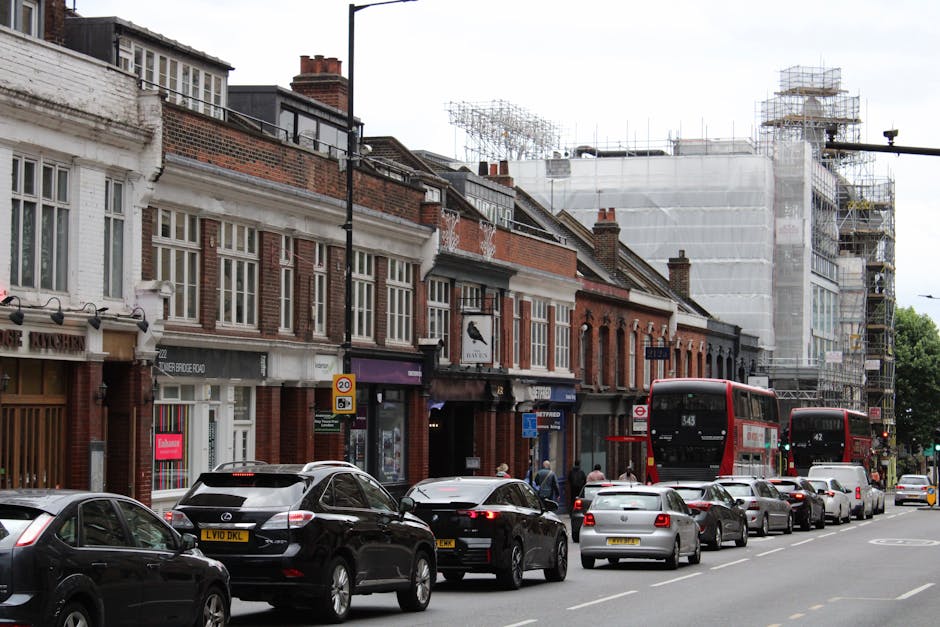
Narrow roads, parked cars, tight turns, and awkward front gardens can make rubbish removal feel more complicated than it should be. In Harrow, that is not unusual at all. A van may be able to reach the street, but not the exact doorstep. A crew may have somewhere to park, but not long enough to load safely. And when waste has to come out of a flat, a converted house, or a terrace with barely enough space to breathe, the job needs a bit more thought.
This guide explains Access issues on narrow Harrow streets and rubbish removal fixes in plain English. You will learn why access matters, how professional crews work around tight spaces, what to prepare before collection day, and which mistakes usually cause delays. If you are trying to clear a house, shift builders waste, or just get rid of a bulky item without upsetting neighbours or blocking traffic, this will help. Honestly, a little planning goes a long way here.
Why Access issues on narrow Harrow streets and rubbish removal fixes Matters
Access problems are not just an inconvenience. They affect how safely rubbish can be collected, how quickly a crew can work, and whether the job is finished in one visit or drags on longer than planned. On a narrow Harrow street, there may be limited room for a van to stop, no clear turning space, or parked cars making the route awkward from the start. Add a heavy sofa, broken wardrobe, or a builder's skip bag left at the back of a property, and suddenly a simple clearance turns into a logistics puzzle.
Why does that matter? Because delays often lead to extra lifting, more walking distance, or a second attempt at collection. That can increase disruption for you and your neighbours. It can also mean more noise, more time on the pavement, and a greater chance of something being damaged if the team has to improvise without a plan.
To be fair, narrow streets are part of Harrow's character. You see it in older residential roads, terraced rows, and those places where parking has gradually swallowed the available space. It is not a disaster. It just means the removal method has to match the access conditions instead of pretending everything is wide open. That is the core idea behind good rubbish removal fixes: careful planning, realistic vehicle choice, safe manual handling, and a route from property to vehicle that actually works.
If you want a broader view of the services that can be adapted to difficult collections, the services overview is a useful starting point. And if you are comparing how different types of waste are handled, you may also find your rubbish removal needs helpful for matching the job to the right approach.
How Access issues on narrow Harrow streets and rubbish removal fixes Works
The basic job is simple: assess the access, choose the right method, remove the waste safely, and leave the area tidy. The detail is where things get interesting. A good crew will usually look at four things before lifting anything:
- How close a vehicle can get to the property
- Whether there is safe walking space for carrying items
- Where the waste is stored inside or outside the property
- Whether the load includes awkward, fragile, or heavy items
If the road is too tight for a large truck, the answer is often a smaller vehicle, a park-and-walk approach, or more manual loading. None of those sound glamorous. They are just practical. In some cases, the crew will position the vehicle where access is safest and then use trolleys, sack trucks, protective straps, or hand-carrying to move items out in stages.
That sounds straightforward, but it only works if the route is clear. A front gate left locked, a hallway packed with loose rubbish, or a stairwell blocked by planters can turn a ten-minute lift into a long and fiddly job. A decent operator will therefore ask for a few specifics in advance, such as whether there are steps, whether a lift is available, and whether parking can be arranged nearby. Small details. Big difference.
For heavier or messier jobs, such as renovation debris, the approach may need to be even more structured. That is where a page like builders waste disposal in Harrow becomes relevant, because construction waste often includes sharp edges, dust, plasterboard, timber, and other awkward material that should not be handled casually.
There is also an important distinction between access and volume. A small load in a difficult location can take longer than a large load in an easy one. People often miss that. They assume "less rubbish" means "quicker job", but if the crew has to carry everything down three narrow landings, through a tight passage, and around two parked cars, the clock tells a different story.
Key Benefits and Practical Advantages
When access issues are handled properly, the benefits are immediate and pretty obvious. The first is safety. Crews can lift properly, move without rushing, and avoid scraping walls, bumping railings, or overloading themselves. That matters to you as the property owner or tenant, but it also matters to neighbours and passers-by.
The second benefit is speed. A well-planned route usually means fewer pauses, less backtracking, and less time spent figuring things out on the pavement. The job feels calmer. And calmer jobs are usually cleaner jobs, if that makes sense.
The third benefit is cost control. Access issues do not always mean a higher price, but poor preparation can lead to unexpected delays, extra labour, or a second collection. Planning ahead helps reduce those headaches. If you want to understand how pricing is usually approached, especially when access is tricky, take a look at pricing and quotes and the practical guidance in hidden charges to avoid when booking rubbish clearance in Harrow.
Another advantage is neighbour-friendly working. On a narrow street, good access planning can reduce noise, avoid blocking driveways, and prevent long periods of loading outside someone else's window. That sort of courtesy goes a long way. Nobody wants a van idling outside at 8 a.m. while everyone is trying to get on with the school run.
In real terms, the most useful benefits are:
- Faster collections with fewer delays
- Lower risk of damage to property or items
- Safer lifting for the crew
- Less inconvenience for neighbours
- Better chance of a one-visit completion
Who This Is For and When It Makes Sense
This topic matters to a wider group than you might think. It is not only for people living on very tight residential roads. It also applies to landlords, letting agents, builders, shop owners, office managers, and families clearing a property after a move or renovation.
You are especially likely to need access-aware rubbish removal if you live or work in a place with any of these features:
- Terraced houses with limited front access
- Converted flats above shops or between floors
- Roads with heavy parking pressure
- Shared driveways or tight private lanes
- Rear-garden storage areas with narrow side passages
- Basements, lofts, or internal staircases that make lifting awkward
It also makes sense when the job is time-sensitive. For example, if you are preparing a property for sale, moving out, or handling a last-minute clear-out before contractors arrive, access problems can mess with the schedule quickly. If that sounds familiar, the local property-focused articles such as Harrow buy and sell property tips and Harrow wise real estate investments offer useful context on why timing matters during a move or refurbishment.
And yes, it matters for everyday life too. A single bulky item sitting in the hallway for two weeks because the access is awkward can become one of those annoying household background stresses. You keep noticing it. It keeps being there. Not dramatic, just irritating.
Step-by-Step Guidance
If you want the smoothest result, work through the job in a sensible sequence. Here is a practical approach that works well for narrow Harrow streets and similar access-constrained properties.
- Map the access route. Start at the property entrance and think like a remover. Where will items come from? Which door will be used? Are there stairs, steps, or a tight corner?
- Measure the awkward parts. A sofa, mattress, filing cabinet, or wardrobe may fit indoors but fail at the doorway. A quick measurement can prevent an expensive surprise.
- Check parking and stopping options. If the van cannot stop nearby, the team needs to know that early. The difference between a short carry and a long carry matters more than people expect.
- Separate waste by type if possible. General rubbish, furniture, garden waste, and builders waste may be handled differently. Sorting early makes loading cleaner and faster.
- Clear the route before collection day. Move bikes, bins, plant pots, loose bags, and fragile items out of the way. A clear path really does speed things up.
- Share access details honestly. If there is no lift, mention it. If the rear alley is narrow, say so. If the front road is double-parked by lunchtime, say that too. A crew can plan around facts, not guesses.
- Choose the right service style. Some jobs suit a full clearance, others only need one bulky item or a small-load collection. Matching the method to the load keeps things efficient.
One small but useful habit: take a quick photo of the access route before the crew arrives. It can be sent during booking, and it often answers questions that a phone call misses. A picture of a tight alley says more than a paragraph ever could.
Expert Tips for Better Results
Experience teaches a few things that save time and hassle. First, do not underestimate the value of a short arrival window. On busy streets, especially where parking is tight, a crew that turns up at exactly the wrong moment may lose precious minutes circling the block. That is no one's favourite start to the day.
Second, if you can temporarily reserve space by moving your own car, do it. That simple action can make the collection far smoother. It is a small thing, but sometimes the small thing is the whole difference.
Third, consider whether the route is safe for two-person carrying or needs extra hands. Heavy or uneven items should not be dragged solo. There is a reason proper crews think about lifting technique, turning space, and load balance before they touch anything.
Fourth, if the job involves mixed waste, separate sharp items early. Broken glass, nails, metal offcuts, and splintered timber are annoying at best and dangerous at worst. A tidy bag on the ground is one thing. A hidden shard in a heap is another. Nobody wants that surprise.
Fifth, build a little buffer into your timing. If a job is scheduled between school drop-off and a delivery, the street may be more crowded than you thought. Fifteen minutes can become thirty. It happens.
And finally, work with a provider that is transparent about scope. If you need help with a house move, a flat clearance, or a tricky collection on a narrow lane, the right service should explain the process plainly. For broader household jobs, house clearance in Harrow is often the most suitable route. For smaller everyday loads, rubbish clearance in Harrow can be a simpler fit.
Common Mistakes to Avoid
Most access problems are manageable. The trouble starts when people assume the crew can "just sort it on the day". Sometimes they can. Sometimes they really cannot. Here are the mistakes that cause the most avoidable friction.
- Not mentioning narrow access in advance. This is the big one. If the only access is a side alley or a shared path, say so early.
- Underestimating item size. A wardrobe that looked manageable in the room can become impossible at the stair bend. It happens more than you'd think.
- Leaving too much loose material in the way. A hallway full of small bags slows everything down. Clear a route if you can.
- Assuming parking will be easy. On some Harrow streets, it won't be. A backup plan helps.
- Booking the wrong service type. Builders waste, garden waste, office clutter, and domestic rubbish are not always handled in exactly the same way.
- Forgetting neighbour impact. If loading will take a while, a bit of courtesy helps. A quick heads-up can prevent complaints.
There is also a subtle one: people sometimes stack waste where it looks easy to reach, but forget that the route from that point to the van has a narrow pinch point. The pile may be neat, but the route still fails. That is the bit that matters.
Tools, Resources and Recommendations
You do not need specialist kit to prepare for a rubbish removal in a tight street, but a few practical tools make life easier.
- Tape measure: useful for checking doors, stair turns, and furniture width.
- Phone camera: helpful for sending access photos before the job.
- Sturdy gloves: good for safely moving lighter items or clearing a route.
- Dust sheets or old blankets: useful when protecting floors or walls during moving.
- Labels or marker pens: helpful if you are sorting keep, donate, and remove piles.
- Trolley or sack truck: often used by crews for heavier items, where the route allows it.
For local reassurance and business context, it can also help to understand the company behind the service. The about us page is a sensible place to look if you want to know more about the team and how they work. If you care about reuse and responsible disposal, recycling and sustainability is worth reading as well.
If you are planning a more complex collection and want a better feel for the service journey, a clear explanation of rubbish collection in Harrow HA1 can be especially useful. For people comparing collection timing or trying to avoid delays, the article on same-day rubbish removal problems and delays is also practical reading.
Law, Compliance, Standards or Best Practice
For rubbish removal, the exact legal and operational details depend on the waste type and how it is handled. Rather than overstate anything, the safest way to think about it is this: waste should be collected, transported, and disposed of by people who understand their duties, use suitable vehicles, and follow proper handling practices. That includes keeping load security in mind, preventing spillage, and avoiding nuisance on public roads or pavements.
Best practice also includes honest communication. If a collection requires extra carrying distance, a narrow entry point, or manual loading through shared access, that should be discussed up front. It protects both the customer and the crew. No one likes surprises when there are stairs involved.
Insurance and safety matter here too. A crew working in tight spaces should be careful around walls, railings, doors, steps, and parked vehicles. If you are comparing providers, insurance and safety is a good page to review before booking. It gives a clearer picture of how a company thinks about risk, and that is reassuring when the access is awkward.
There are also commercial basics to keep in mind: payment terms, booking conditions, and what happens if access turns out to be more difficult than expected. The relevant policies on terms and conditions and payment and security are worth a glance if you want to avoid confusion later.
Options, Methods, or Comparison Table
Different access scenarios call for different removal methods. Here is a simple comparison to help you decide what is usually most sensible.
| Method | Best for | Access fit | Notes |
|---|---|---|---|
| Full vehicle collection | Larger loads, clear driveways, straightforward streets | Best when parking and loading space are easy | Usually fastest where the van can get close |
| Small-load or lighter collection | Single items, mixed household clutter, modest volumes | Good for tighter roads and short carry distances | Can be more flexible on narrow streets |
| Manual carry from property | Flats, rear-access homes, awkward internal routes | Useful where vehicles cannot stop right outside | Needs a clear internal path and safe lifting |
| Specialist waste removal | Builders debris, garden cuttings, office clear-outs | Helpful where waste type or access creates extra complexity | Often the best choice when the job is not ordinary household rubbish |
There is no one perfect method for every street. That is the point. The best option is the one that fits the actual road, not the one that sounds easiest on paper.
Case Study or Real-World Example
Imagine a converted property on a narrow Harrow street with cars parked on both sides and a shared entry path at the rear. The customer needs a sofa removed, a broken desk taken away, and a few sacks of general clutter cleared from the loft. On paper, nothing dramatic. In practice, not quite so easy.
The crew would likely start by checking where the vehicle can stop without blocking the road. They may park a little further away than ideal, then plan the route through the shared access, keeping an eye on steps and door widths. The sofa might need a careful turn at the hallway corner. The loft bags might be brought down separately so the route is not overloaded.
What makes this work is not magic. It is staging. The items are removed in the right order, the route is kept clear, and the crew avoids trying to force an oversized item through a narrow gap just because it seemed close enough. That is where damage usually happens. A small pause to re-check the route can save a wall scuff, a broken lamp, or a very awkward apology to a neighbour.
For more specialised household or office clear-outs, the same logic applies. If the job is domestic and broad in scope, house clearance in Harrow is a natural fit. If the work is business-related, office clearance in Harrow may be more appropriate, especially when equipment and furniture need careful handling.
One little detail from real life: the jobs that go best are often the ones where the customer says, "Just a heads-up, the gate sticks a bit." That sort of honesty saves time. Simple as that.
Practical Checklist
Use this checklist before collection day if your street or property has tight access.
- Measure large items and note awkward bends or stair turns
- Take photos of the route from the property to the vehicle point
- Tell the provider about narrow roads, shared entrances, or parking limits
- Move cars, bikes, bins, and loose clutter out of the route where possible
- Separate sharp, fragile, and heavy waste items in advance
- Confirm whether the crew needs a lift, rear access, or front-door collection
- Check whether the load is household, garden, or builders waste
- Keep doors, gates, and hallways open if safe to do so
- Warn neighbours if the job may take longer than usual
- Review pricing, access notes, and booking details before the day arrives
Expert summary: On narrow Harrow streets, the best rubbish removal fix is rarely brute force. It is clear communication, the right vehicle, a tidy route, and a collection plan that respects the street you actually have.
Conclusion
Access issues on narrow Harrow streets are a real part of day-to-day rubbish removal, but they do not need to become a drama. Once you understand the route, the parking, the load size, and the safest way to move items, the whole process becomes much more manageable. A bit of planning can turn a potentially awkward collection into a straightforward one.
The main takeaway is simple: do not leave access as an afterthought. Treat it as part of the job itself. That mindset helps you avoid delays, protect your property, and make life easier for everyone involved. And in a busy place like Harrow, that is worth doing properly.
If you are preparing a collection and want to keep things smooth from the start, explore the relevant service pages, check the practical guidance on pricing and safety, and make sure the provider understands your access situation before the van arrives.
Get a free quote today and see how much you can save.
Sometimes the smartest fix is just a clear plan and a calm start. Funny how often that is enough.

 Tipper Van - Rubbish Clearance and Commercial Waste Removal Prices in Harrow, HA1
 Luton Van - Rubbish Clearance and Commercial Waste Removal Prices in Harrow, HA1


