Real cost of rubbish clearance in Harrow upfront pricing guide
Posted on 22/10/2026
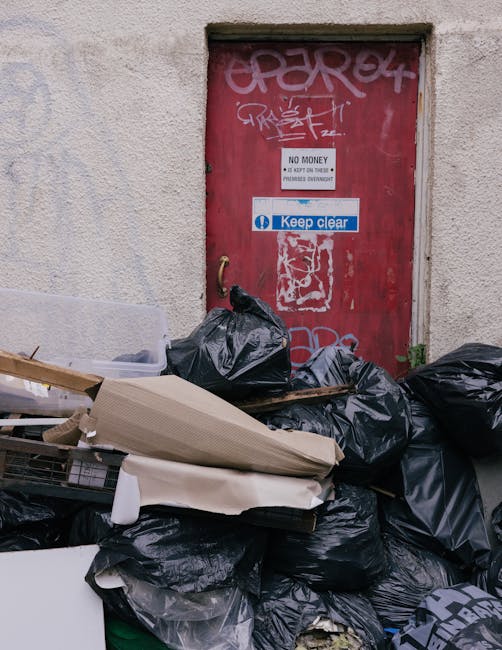
If you are trying to work out the real cost of rubbish clearance in Harrow, you are probably doing that familiar juggle: one eye on the clutter, one eye on the budget, and a small worry that the final bill might creep up on the day. Fair enough. Nobody wants a surprise when the van arrives.
This upfront pricing guide breaks down what rubbish clearance usually costs, what changes the price, how to compare quotes properly, and where hidden extras tend to show up. It is written for people who want a simple answer, but also the honest version. Because let's face it, "cheap" only helps if it stays cheap at the end.
Whether you are clearing a flat near Harrow town centre, sorting out garden waste after a weekend of hedge cutting, or dealing with bulky items from a landlord changeover, knowing how pricing works puts you in control. And that matters more than most people realise.
Why Real cost of rubbish clearance in Harrow upfront pricing guide Matters
The reason pricing matters is simple: rubbish clearance is often one of those jobs where the visible pile is only part of the story. A sofa by the wall looks straightforward. Then you notice the old mattress in the hallway, a broken desk, a couple of bin bags in the shed, and maybe a heavy wardrobe that needs two people and a bit of careful lifting. The price is not just about waste; it is about access, labour, time, sorting, and disposal.
In Harrow, that can mean a few extra realities as well. Tight residential streets, limited parking, basement flats, shared entrances, and awkward stairwells can all affect the job. If a clearance team has to spend longer loading, park further away, or make multiple trips, that usually shows up in the quote. Not always dramatically, but enough to matter.
An upfront pricing guide helps you avoid two common problems: overpaying for a simple job, and underestimating a complex one. Both are frustrating in different ways. A clear estimate also makes it easier to compare services like rubbish clearance in Harrow, waste removal, and more specific services such as builders waste disposal in Harrow.
Key takeaway: the cheapest quote is not always the best value. A real quote should explain what is included, what might change it, and whether loading, disposal, and labour are already built in.
How Real cost of rubbish clearance in Harrow upfront pricing guide Works
Most rubbish clearance pricing follows a fairly familiar pattern. You describe what needs removing, the company estimates the volume, and the quote is based on that volume plus any extra effort involved. Some companies price by load size, some by item, and some by weight or a combination of those factors.
The clearest quotes usually come from a short site visit, photos, or a detailed description. A few pictures on your phone can go a long way. If there is a pile in the driveway, a stack of black bags in the kitchen, or a broken appliance tucked behind a shed, showing the full picture helps avoid a back-and-forth later.
What usually affects the price
- Volume: how much space the rubbish takes in the van.
- Type of waste: general rubbish, garden waste, bulky items, builders waste, or mixed loads.
- Access: stairs, narrow hallways, distance from the property to the vehicle, parking restrictions, and lift access.
- Labour: how many people are needed to carry items safely.
- Sorting requirements: whether the load needs separating for reuse, recycling, or disposal.
- Special handling: awkward, heavy, or fragile items, or waste that needs extra care.
With certain jobs, you may also see a premium for same-day collection or evening time slots. That is pretty normal. Faster service tends to cost more because it affects scheduling and vehicle availability. If you need urgent support, it can be worth checking the service pages for options such as your rubbish removal needs to make sure the job matches the right type of service from the start.
What an upfront quote should include
A proper quote should make it clear whether the price includes loading, transport, disposal fees, and VAT if applicable. It should also explain any circumstances where the price may change. That little bit of clarity saves arguments later, and honestly, it also shows the company knows what it is doing.
If you receive a quote that sounds oddly vague, ask for the basics in writing:
- what will be removed
- how much space it is expected to take
- whether labour is included
- whether disposal is included
- what could trigger a price adjustment
A genuinely useful estimate is specific. Not perfect, just specific enough to be trusted.
Key Benefits and Practical Advantages
Upfront pricing is not just about avoiding shocks. It also makes the whole process smoother from the first message to the final sweep-up. You know where you stand, the team knows what they are walking into, and the job can usually be completed with fewer awkward surprises.
Why clear pricing helps
- Budget control: you can compare options before booking.
- Less stress: no last-minute debate over what the job "counts as".
- Better planning: useful if you are moving, renovating, or working around tenants.
- Fewer delays: clear information usually means quicker collection.
- More trust: transparent pricing is often a sign of a well-run operation.
There is also a practical angle many people miss. When you understand the pricing model, you can often make the job cheaper without cutting corners. For example, separating clean garden waste from mixed household rubbish can sometimes help. So can moving accessible bags to one location before the team arrives. It sounds small, but small things add up.
In our experience, the smoothest jobs are the ones where the customer has taken five minutes to think through the layout of the waste. Not glamorous, no. Helpful? Absolutely.
Who This Is For and When It Makes Sense
This guide is useful if you are trying to decide whether to book a clearance service at all, or whether a different option would be better. It is also useful if you have already received a quote and want to check if it feels realistic.
Typical people who benefit from rubbish clearance
- Homeowners clearing lofts, garages, sheds, or spare rooms.
- Tenants needing to leave a property tidy at the end of a tenancy.
- Landlords dealing with leftover furniture or mixed junk after a move-out.
- Tradespeople handling small renovation or strip-out waste.
- Small businesses clearing office furniture, packaging, or unwanted fixtures.
- Garden owners with branches, soil, cuttings, and other outdoor waste.
It also makes sense if you want a fast, managed job rather than spending a weekend hiring a vehicle, lifting heavy items yourself, and trying to work out where the local disposal point is. That route can work for some people, sure. But it is rarely the easy option once the pile grows larger than expected.
If your situation is more specialised, it helps to choose the matching service. A simple household clearance is not the same as office clearance, and garden waste is its own category too. That is why pages like house clearance in Harrow and garden waste removal in Harrow can be useful when you are narrowing down the job type.
Step-by-Step Guidance
If you want to keep costs sensible, a structured approach helps. Nothing fancy. Just a bit of order before anyone turns up with gloves and a van.
1. List what needs removing
Start by making a rough inventory. Write down the large items first, then the smaller loose waste. Include anything awkward like broken wardrobes, old appliances, carpets, or heavy bags. If the waste is spread across several rooms, note that too.
2. Separate waste by type where you can
Mixed waste is usually more complex than a single stream of rubbish. If you can keep garden waste apart from household junk, or builders rubble separate from furniture, that makes quoting easier. It may also improve the chances of reuse or recycling.
3. Photograph the load
A few clear photos can give a far better estimate than a vague description. Take them from different angles and, if possible, include something for scale. A doorway, a bin bag, or a chair can help show how much space the waste takes up.
4. Ask for the pricing basis
Before accepting any quote, ask how it is calculated. Is it by van load, item count, weight, or a set service tier? Does the estimate include labour? Is parking or access likely to affect it? The more you know, the less likely you are to end up feeling slightly miffed on collection day.
5. Check what happens if the job changes
Sometimes the pile is bigger than expected. That happens. A good provider should tell you how they handle changes before they start loading. If the difference is small, there may be no issue. If it is substantial, the price may need adjusting before work continues.
6. Confirm timing and access
Make sure someone can open gates, answer the door, or provide access if needed. If parking is tight, warn the team in advance. On narrow Harrow streets, that detail can make the difference between a smooth pickup and a frustrating wait.
7. Keep the area as clear as possible
Move obstacles out of the way where you can. The easier the load-out, the more efficient the job. That is not just neatness; it can affect the final labour time.
Expert Tips for Better Results
A few small choices can improve both price and service quality. Not every tip saves money directly, but most of them reduce friction. And that usually helps.
- Be precise in your first message. "A bit of junk" is harder to price than "two sofas, one mattress, eight bags, and a dismantled wardrobe".
- Ask whether recycling is part of the process. Responsible disposal matters, especially for mixed loads.
- Bundle similar waste together. It can make quoting cleaner and the job faster.
- Be honest about access. A van parked round the corner changes the maths.
- Plan around busy times. If you need a Friday afternoon or same-day visit, expect demand to be higher.
One thing people often overlook is the emotional side of clearances. A loft full of old family items or a flat after a long tenancy can feel more chaotic than it looks on paper. A calm, clear quote helps lower that pressure. It is one less thing to worry about.
If you are comparing providers, check whether the company explains its wider service set clearly on pages like services overview and whether it has practical information on safety, payment, and recycling. Those details usually tell you more than the sales wording does.

Common Mistakes to Avoid
Most price issues happen because the job was described too vaguely or the quote was taken at face value without enough questions. Easy mistake. Happens all the time.
The most common ones are:
- Choosing the cheapest quote without checking what is included.
- Not mentioning access problems. Stairs, parking, and long carry distances matter.
- Mixing every type of waste together. That can complicate pricing and disposal.
- Assuming bulky items are all treated the same. A sofa is not priced like a bag of garden cuttings.
- Forgetting about additional items. One extra mattress can change the load tier.
- Not asking about VAT or surcharges. The headline price and the final price should match as closely as possible.
Another mistake is waiting until the pile becomes unmanageable. The longer rubbish sits around, the more awkward it becomes to clear. Moisture, weather, broken packaging, and general mess can make sorting slower. You know how it goes. What starts as "I'll deal with it next week" can become a slightly miserable corner of the room by month-end.
Tools, Resources and Recommendations
You do not need specialist tools to prepare for a rubbish clearance, but a few simple things make the process easier.
Useful practical items
- phone camera for photos
- notepad or notes app for item lists
- measuring tape for large furniture or tight access points
- gloves if you are moving light items yourself
- dust sheets or old covers if you are staging items indoors
It also helps to review the company's pricing and policy pages before booking. For example, pricing and quotes is a sensible place to look if you want to understand how estimates are presented, while recycling and sustainability can tell you more about how waste is handled after collection.
If the work is taking place at home, you may also want to check the company's safety and insurance information. That is especially relevant for heavier items, stairs, or busy properties where accidental scuffs are possible. A little due diligence goes a long way.

Law, Compliance, Standards, or Best Practice
Rubbish clearance is not just a practical service; it is also something that should be handled responsibly. In the UK, waste has to be managed properly, and householders, landlords, and businesses all have some level of duty to think carefully about who removes it and where it ends up. The exact obligations vary by situation, so it is wise not to assume every job is identical.
Best practice usually means a few straightforward things:
- Use a provider that can explain how waste is transported and handled.
- Ask about recycling and disposal routes.
- Be careful with business waste and trade waste.
- Keep records if you are managing commercial or repeated clearances.
- Do not hand rubbish to anyone who cannot clearly explain their process.
For commercial customers, a little extra caution is sensible. If you are clearing office waste or renovation debris, it is worth understanding permit, transport, and handling expectations before booking. Pages like office clearance in Harrow and licences and permits for commercial waste in Harrow are useful if your job goes beyond a few household items.
Best practice is not about making things complicated. It is about being sensible. If a clearance service cannot explain what happens to the waste, that is a red flag. Simple as that.
Options, Methods, or Comparison Table
There is more than one way to get rid of rubbish in Harrow, and the right choice depends on time, volume, access, and how hands-on you want to be. Below is a practical comparison.
| Option | Best for | Typical strengths | Common drawbacks |
|---|---|---|---|
| Professional rubbish clearance | Mixed waste, bulky items, fast turnaround | Convenient, labour included, usually quicker | Can cost more than self-clearance |
| Skip hire | Longer projects, ongoing building work | Good for gradual filling, useful for larger volumes | Needs space and permits may apply; loading is your job |
| Self-haul to a disposal site | Small loads, people with time and a suitable vehicle | Potentially lower direct cost | Labour, fuel, time, and disposal rules add hassle |
| Specialist clearance | Specific waste types like builders debris or garden waste | More tailored handling | May not suit mixed household rubbish |
For many households, the sweet spot is professional clearance when the job is awkward, time-sensitive, or too large to tackle comfortably. If the waste is mainly garden-related, a tailored service like garden waste removal may be a better fit than a broad general clearance.
Case Study or Real-World Example
Imagine a typical Harrow terrace property with a small front garden, a narrow hallway, and a garage that has slowly become storage for everything nobody quite knew where to put. There is a broken bookcase, a sofa, several black bags, a rusty bike, and some old garden cuttings from a weekend tidy-up.
At first glance, it looks like a modest job. But once you factor in the narrow access and the mixed waste, the quote changes from a simple "small load" to something more realistic. If the team needs to carry items down stairs or around a tight side path, labour time increases. If the garden cuttings are mixed with household junk, sorting takes longer. Suddenly that headline price from a casual competitor does not look quite so magical.
Now compare that with a customer who sends clear photos, lists the items, and notes that parking is available on the drive for 20 minutes. Same basic rubbish, very different experience. The second customer usually gets a cleaner estimate and a smoother visit. Less guesswork. Less hassle. Everyone wins.
That is the real lesson here: accuracy makes pricing fairer. It is not about making the job expensive. It is about making it honest.
Practical Checklist
Use this before you book. It is a quick way to make sure the quote you receive is actually useful.
- List every item or pile that needs removing.
- Take clear photos from more than one angle.
- Measure large furniture if access looks tight.
- Note stairs, parking limits, and any long carry distance.
- Separate garden waste, builders waste, and household rubbish if possible.
- Ask what the quote includes: labour, transport, disposal, VAT.
- Check whether same-day or urgent booking costs extra.
- Ask how the company handles recycling and sorting.
- Confirm the collection window and who will be on site.
- Make sure the final price is agreed before loading starts.
A small amount of preparation usually saves time, money, and a fair bit of stress. Not always glamorous, but very effective.
Conclusion
The real cost of rubbish clearance in Harrow is shaped by more than volume alone. Access, waste type, labour, timing, and disposal all matter. Once you understand those factors, the whole pricing picture becomes much clearer, and you are far less likely to be caught out by a vague or inflated estimate.
If you only remember one thing from this guide, let it be this: ask for an upfront quote that explains what is included and what could change the price. That one habit can save you money, time, and a bit of needless frustration.
And if you are comparing services, take a moment to read the details carefully. The best choice is usually the one that feels clear, practical, and straightforward from the start. That is the kind of service that makes a messy job feel manageable again.
Get a free quote today and see how much you can save.
 Tipper Van - Rubbish Clearance and Commercial Waste Removal Prices in Harrow, HA1
 Luton Van - Rubbish Clearance and Commercial Waste Removal Prices in Harrow, HA1


